
How Does Poor Sleep Affect a Teenager’s Mental Health?
Poor sleep can negatively affect a teenager’s mental health by increasing irritability, anxiety, depressive symptoms, and difficulty managing emotions. Teenagers who regularly get too little sleep may also struggle with concentration, motivation, and relationships. Because sleep and mental health influence each other, ongoing sleep problems can both contribute to and result from emotional difficulties.
Getting enough sleep is essential for teenagers, but between homework, extracurricular activities, friendships, and late-night scrolling, many adolescents simply aren’t getting the rest they need.
For parents, the effects may show up as morning arguments, sudden mood changes, declining grades, or a daughter who seems constantly overwhelmed. While these behaviors can sometimes be dismissed as typical teenage challenges, poor sleep may be playing a much bigger role.
At Orama Residential Treatment Center, understanding the connection between emotional wellness and healthy daily routines is an important part of recognizing adolescent mental health needs. Sleep difficulties can be especially concerning when they occur alongside anxiety, depression, or behavioral changes.
Knowing what healthy sleep looks like and recognizing when problems require professional attention can help parents better support their teenagers.
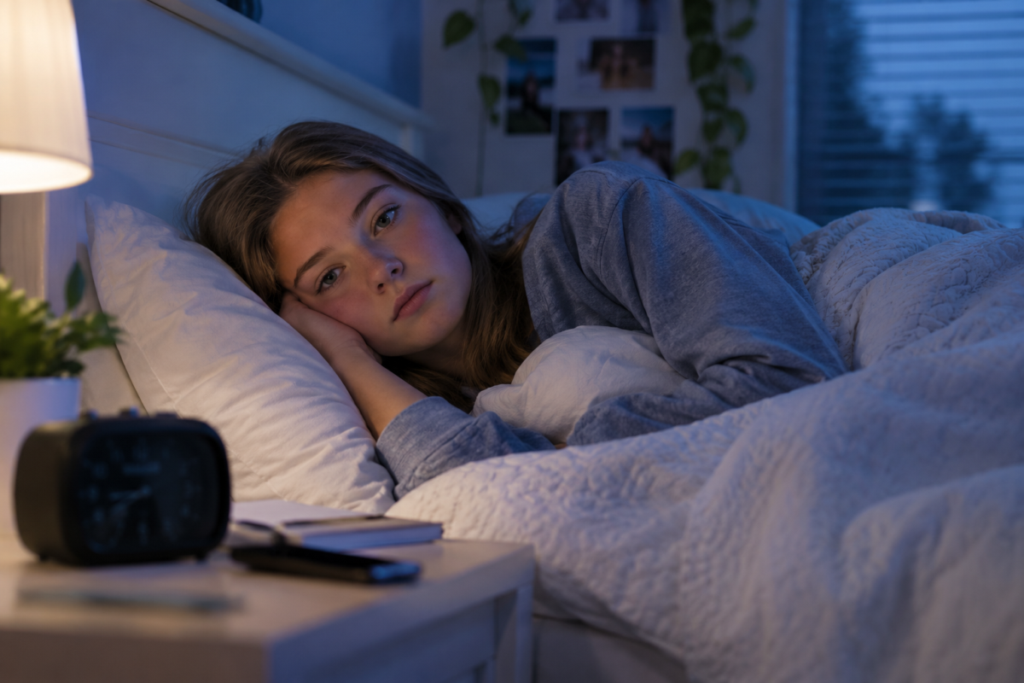
The Connection Between Teen Sleep Problems and Emotional Health
Sleep is not simply a break from daily activities. It plays an important role in brain development, emotional regulation, learning, and physical health.
According to the Centers for Disease Control and Prevention (CDC), teenagers between the ages of 13 and 18 should get 8 to 10 hours of sleep per 24 hours.
Unfortunately, many adolescents fall short of that recommendation.
The CDC’s Youth Risk Behavior Survey has consistently identified insufficient sleep as a widespread concern among high school students.
When poor sleep becomes a regular pattern, it can affect how teenagers respond to stress, manage relationships, and handle everyday responsibilities.
Why Does Lack of Sleep Make Teenagers More Emotional?
Sleep helps the brain process emotions and regulate reactions to stressful situations. Without enough rest, teenagers may have a harder time controlling frustration, disappointment, and worry.
This can make relatively minor challenges feel overwhelming.
A disagreement with a friend, a difficult assignment, or an unexpected change in plans may trigger a stronger emotional reaction when a teenager is exhausted.
Parents might notice:
- Increased irritability or frequent mood swings
- Crying or becoming upset more easily
- Difficulty handling everyday stress
- Greater sensitivity to criticism
- Trouble resolving disagreements
- Less patience with siblings or friends
These changes do not necessarily indicate a mental health disorder. However, persistent emotional difficulties combined with inadequate sleep deserve attention.
For teenagers already experiencing anxiety or depression, poor sleep can make managing emotions even more challenging.
Can Poor Sleep Increase Anxiety and Depression in Teenagers?
Yes. Research has found a relationship between insufficient sleep and increased symptoms of anxiety and depression among adolescents.
The connection works in both directions.
A teenager who feels anxious may struggle to fall asleep because her mind is racing with worries about school, friendships, or upcoming responsibilities.
Meanwhile, a teenager who consistently gets too little sleep may become more emotionally vulnerable and find it harder to cope with stress.
Depression can also disrupt sleep patterns. Some teenagers experience insomnia, while others sleep excessively but still feel tired.
According to the National Institute of Mental Health, changes in sleep patterns are among the symptoms that can accompany depression.
Parents should watch for ongoing sleep difficulties combined with warning signs such as persistent sadness, social withdrawal, loss of interest in activities, or significant changes in behavior.
When these symptoms occur together, a professional mental health evaluation may be helpful.
How Much Sleep Do Teenagers Really Need?
Most teenagers need between 8 and 10 hours of sleep each night to support healthy development and everyday functioning.
However, getting enough sleep can be difficult because adolescence brings natural changes to the body’s internal clock.
During puberty, many teenagers begin feeling sleepy later in the evening, even when they still need to wake up early for school.
This shift in circadian rhythm can make early bedtimes feel unnatural.
School schedules, academic demands, extracurricular activities, and technology use can further reduce available sleep time.
For example, a teenager who needs to wake up at 6:30 a.m. may need to be asleep by 9:30 p.m. to get nine hours of rest.
That can be difficult when homework, sports, and social activities extend into the evening.
Parents can help by creating realistic schedules that prioritize sleep rather than treating it as something to fit in after everything else.
What Are the Signs That Poor Sleep Is Affecting Your Teen’s Mental Health?
Occasional tiredness is normal, especially during busy school weeks. However, ongoing sleep deprivation can lead to noticeable changes in a teenager’s behavior and emotional well-being.
Some warning signs include:
- Struggling to wake up most mornings
- Falling asleep during class or afternoon activities
- Difficulty concentrating or remembering information
- Becoming unusually withdrawn or irritable
- Experiencing increased anxiety or sadness
- Relying heavily on caffeine to stay alert
- Sleeping excessively on weekends to compensate for lost sleep
- Losing motivation for school or favorite activities
Parents should also pay attention to changes in academic performance and social relationships.
A teenager who once enjoyed spending time with friends but now isolates herself may be experiencing more than simple fatigue.
Sleep problems can overlap with depression, anxiety, sleep disorders, and other health conditions. A healthcare professional can help identify what is contributing to these changes.
How Can Parents Help Teenagers Develop Healthier Sleep Habits?
Improving sleep often begins with small, consistent changes rather than a complete overhaul of a teenager’s routine.
Parents can support better sleep by working with their daughters to establish habits that feel manageable and realistic.
Helpful strategies include:
- Maintain a consistent sleep schedule. Encourage similar bedtimes and wake-up times throughout the week, including weekends.
- Create a relaxing bedtime routine. Reading, journaling, or listening to calming audio can help teenagers wind down.
- Limit screens before bedtime. Encourage putting away phones and other devices at least 30 to 60 minutes before sleep, especially when content is stimulating or stressful.
- Reduce late-day caffeine. Energy drinks, coffee, and other caffeinated beverages can interfere with falling asleep.
- Encourage physical activity. Regular movement during the day can support healthier sleep patterns.
- Make the bedroom comfortable. A cool, quiet, and dark environment can make falling asleep easier.
It is also important to talk with teenagers about what may be keeping them awake.
Sometimes the problem is not the phone or bedtime routine. It may be worry about school, friendship conflicts, family stress, or another emotional concern.
If sleep problems persist despite healthy routines, or if they interfere with daily functioning, professional evaluation is recommended.
Frequently Asked Questions About Teen Sleep and Mental Health
Can lack of sleep cause anxiety in teenagers?
Insufficient sleep can increase anxiety symptoms and make it harder for teenagers to manage stress. Anxiety can also interfere with sleep, creating a cycle in which both problems reinforce each other.
Is sleeping too much a sign of depression in teens?
Excessive sleeping can be associated with depression, especially when accompanied by sadness, low motivation, or withdrawal from activities. However, it can also result from sleep deprivation, medical conditions, or sleep disorders.
How many hours of sleep should a 15-year-old get?
A 15-year-old should generally get 8 to 10 hours of sleep per night, according to CDC recommendations. Individual needs vary, but consistently getting less than eight hours may affect mood, attention, and overall health.
When should parents seek help for teen sleep problems?
Parents should seek professional guidance when sleep difficulties continue for several weeks, interfere with school or relationships, or occur alongside persistent anxiety, depression, or significant behavioral changes.
Supporting Better Sleep and Stronger Mental Health
Healthy sleep habits are an important foundation for emotional well-being, but they are not always enough to resolve deeper mental health challenges.
When a teenager struggles with ongoing anxiety, depression, or emotional distress, addressing those concerns may also help improve her sleep.
For parents, the most important step is recognizing when everyday tiredness has become part of a larger problem.
Is Your Daughter Struggling With Sleep, Anxiety, or Depression? Orama Residential Treatment Center Can Help.
Orama Residential Treatment Center is committed to supporting adolescent girls facing mental health challenges. Reach out today to learn more about available treatment options and how your family can take the next step toward healing.