
Residential Mental Health Treatment for Adolescent Girls
When your daughter is struggling, it is not always easy to put what she is experiencing into a single diagnosis. Anxiety may exist alongside depression. Trauma may show up as emotional dysregulation, self-harm, difficulty at school, or challenges in relationships. One concern can overlap with another, leaving families wondering what kind of treatment their daughter actually needs.
At Orama Residential Treatment Center, we provide compassionate, trauma-informed residential care for adolescent girls experiencing mental health, emotional, behavioral, and co-occurring challenges.
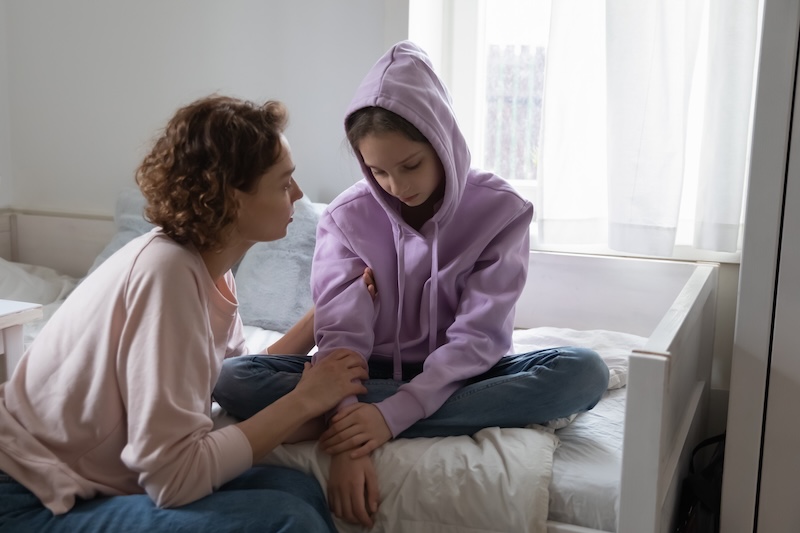
What Does Orama Treat?
Orama works with adolescent girls experiencing a range of mental health and behavioral health concerns. Many of the girls who come to us are navigating more than one challenge at the same time.
Common diagnoses and presenting concerns we work with include:
Anxiety Disorders
Anxiety can affect nearly every part of a teen’s life, from friendships and family relationships to school performance and everyday activities. We support girls experiencing generalized anxiety, excessive worry, panic symptoms, social anxiety, and other anxiety-related challenges.
Depression and Mood-Related Concerns
Depression in adolescence can look different for every girl. Some may withdraw from friends and family, while others experience irritability, hopelessness, low motivation, changes in sleep, or difficulty participating in activities they once enjoyed.
Our residential environment provides structure and consistent therapeutic support while helping residents develop healthier ways of understanding and managing their emotions.
Trauma and PTSD
Trauma can affect emotional regulation, relationships, trust, behavior, and a teen’s sense of safety. Orama provides trauma-informed care for girls experiencing trauma-related symptoms and post-traumatic stress disorder (PTSD). Our approach focuses not only on what happened, but also on how those experiences continue to affect the teen emotionally, physically, relationally, and developmentally.
Emotional Dysregulation
Some teens experience emotions so intensely that it becomes difficult to respond to stress, disappointment, conflict, or change in healthy ways. Emotional dysregulation may involve extreme emotional reactions, impulsivity, frequent conflict, difficulty calming down, or feeling overwhelmed by emotions. Through our DBT-centered approach, residents can learn practical skills for identifying emotions, tolerating distress, communicating effectively, and responding differently when difficult situations arise.
Self-Harm and Non-Suicidal Self-Injury
Self-harm can be frightening and confusing for families. Orama works with teens struggling with non-suicidal self-injury (NSSI) and related behaviors when residential treatment is clinically appropriate. Treatment focuses on understanding what is driving the behavior while helping residents develop safer coping strategies, emotional regulation skills, and healthier ways of communicating distress.
Suicidal Ideation
Some residents come to Orama after experiencing suicidal thoughts or periods of significant emotional crisis. Safety is always a priority. Our team evaluates each adolescent individually to determine whether Orama’s residential level of care is appropriate for her current needs.
Substance Use and Co-Occurring Mental Health Concerns
Substance use in adolescence does not always occur independently. Teens may turn to substances while trying to cope with anxiety, depression, trauma, social pressures, emotional pain, or other underlying concerns. Orama can support adolescent girls experiencing substance use alongside mental health challenges when their clinical needs are appropriate for our program. Rather than focusing solely on stopping a behavior, we work to understand what may be underneath it.
ADHD and Attention-Related Challenges
ADHD can affect far more than concentration. For some adolescent girls, attention-related challenges can contribute to impulsivity, emotional regulation difficulties, academic struggles, frustration, low self-esteem, or conflict at home. When ADHD occurs alongside other mental health concerns, treatment can address how these challenges interact rather than viewing them separately.
School Avoidance and Academic Difficulties
School refusal or avoidance may be connected to anxiety, depression, trauma, bullying, social difficulties, academic pressure, or other emotional challenges. Our structured residential environment gives residents an opportunity to continue their education while also addressing the mental health concerns that may be making school participation difficult.
Relational and Attachment Challenges
Relationships are an important part of adolescent development, but they can also become a significant source of distress. Orama works with girls experiencing attachment concerns, family conflict, difficulty trusting others, unhealthy relationship patterns, peer challenges, or struggles maintaining healthy boundaries. Because our program is relationship-centered and family-focused, residents have opportunities to practice healthier ways of connecting throughout treatment.
Disordered Eating
Some adolescents develop disordered eating behaviors or an unhealthy relationship with food, eating, or body image alongside other mental health concerns. When these concerns are present, our clinical team considers them as part of the teen’s overall treatment picture. Orama is not an eating disorder treatment program. Adolescents requiring specialized or medically intensive eating disorder treatment may need a different level or type of care. Appropriateness for Orama is determined during the clinical intake process.
Finding the Right Fit Starts With a Conversation
You do not need to have every answer before reaching out. If your daughter is struggling with anxiety, depression, trauma, PTSD, emotional dysregulation, self-harm, suicidal thoughts, substance use, ADHD, school avoidance, relational difficulties, disordered eating behaviors, or multiple concerns at the same time, our admissions team can help you understand whether Orama may be an appropriate next step.
And if your daughter’s diagnosis or situation is not included on this page, talk with us about it during intake. Our clinical team reviews each situation individually with safety, appropriateness, and your daughter’s needs in mind. At Orama, we want to understand more than what your daughter has been diagnosed with.
We want to understand what is going on, what she needs, and how we can help her move toward greater stability, connection, and hope. Contact Orama Residential Treatment Center to speak with our admissions team and learn whether our program may be the right fit for your daughter and family.